
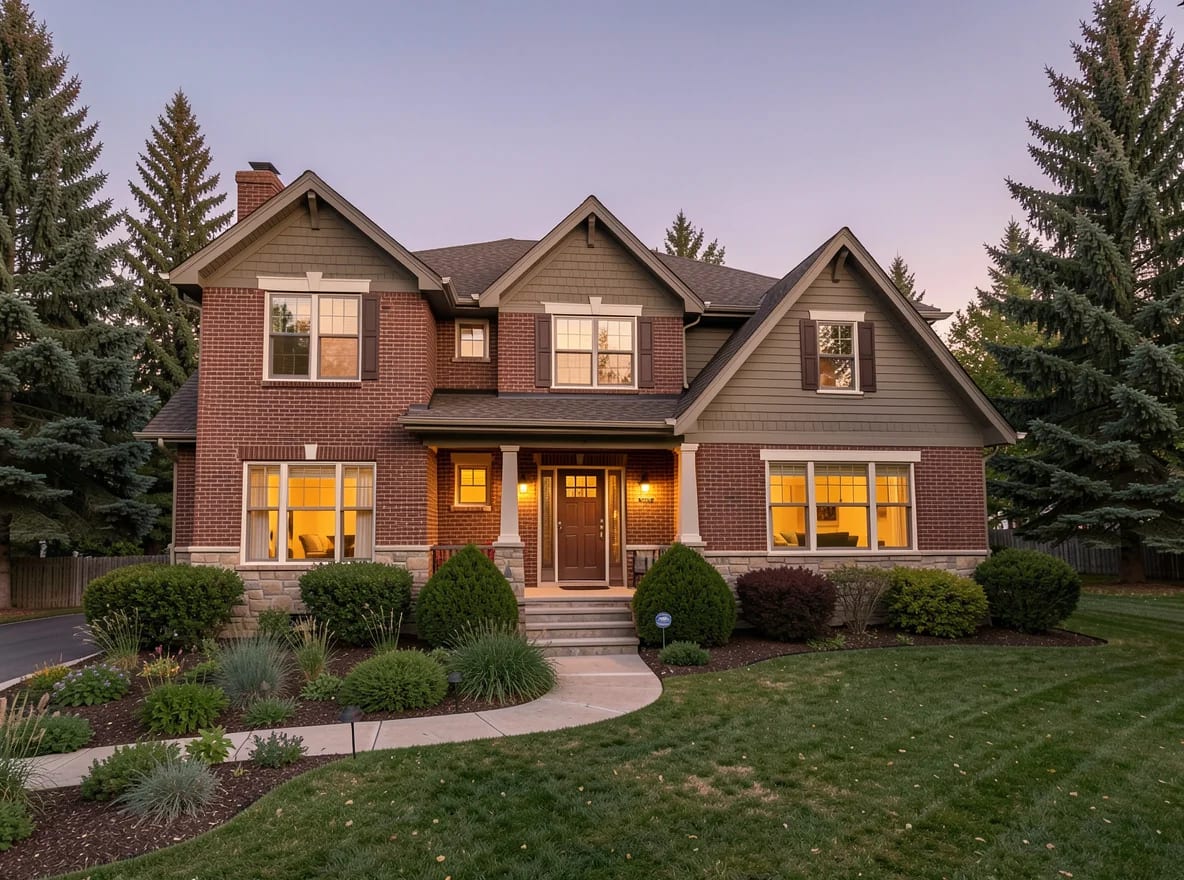
The right list price is more than a hopeful number—it is a launch strategy built around current competition, property condition, and the buyers actively searching today. A thoughtful pricing plan can help your Colorado home enter the market with momentum, attract meaningful attention, and support a confident decision from listing day through closing.
Start With Today’s Market, Not Last Year’s Headlines
Pricing a home begins with a clear-eyed look at the moment it enters the market. It is easy to remember a nearby sale, a record-setting headline, or an online estimate, but each reflects only part of the picture. The most useful question is not simply, “What did another home sell for?” It is, “What options will buyers compare with this home right now?” Active listings, recently pending homes, recent closed sales, and the pace of new inventory all influence the answer.
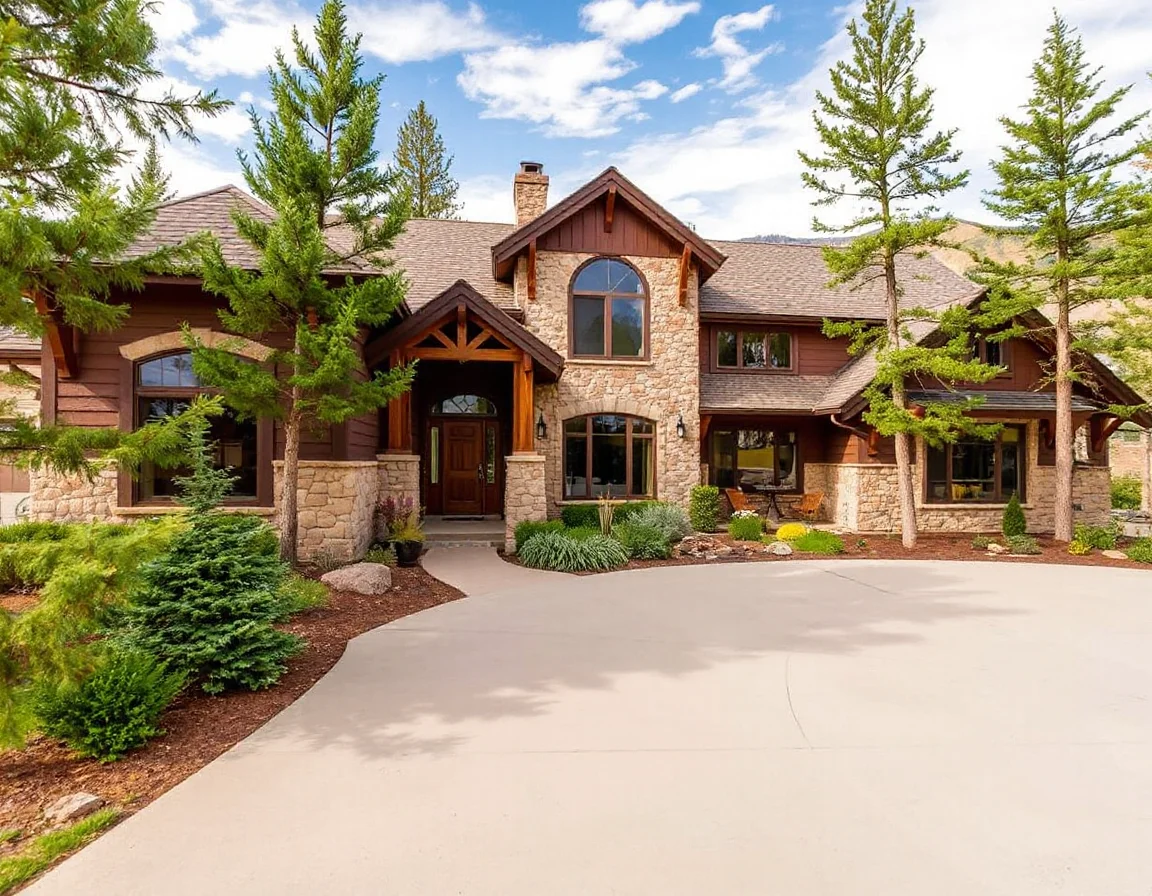
A comparative market analysis should go beyond a quick search radius. Homes with a similar location, lot setting, square footage, age, condition, layout, and feature set provide the strongest comparison. In the Colorado foothills, details such as road access, sun exposure, views, topography, wildfire mitigation work, water source, and usable outdoor areas can materially affect value. In Denver and surrounding communities, proximity to transit corridors, parks, employment centers, and neighborhood amenities may shape the comparison differently.
Recent sold properties show where buyers and sellers ultimately found agreement. Pending listings can indicate where demand is forming, although final sale prices are not yet public. Active listings reveal the competition a buyer can see immediately. Together, these categories create a much more grounded pricing range than an automated estimate alone.
A home is competing with the listings available during its first days on market, not just with the home down the street that sold months ago under different conditions.
Christine Miller brings more than a decade of Denver-area and foothills real estate experience to this analysis, along with Pricing Strategy Analyst and Certified Mountain Area Specialist training. That combination helps turn broad market information into a pricing conversation tailored to the property itself rather than a generic formula.
Understand the First-Week Opportunity
The first week on market is often the clearest opportunity to capture attention. New listings appear in saved searches, reach buyers who have been watching inventory, and give serious shoppers a reason to schedule a visit. A price that aligns with the property’s presentation and competing inventory can encourage this early activity. A price that is noticeably above comparable options may cause buyers to wait, move on, or view the home as a future negotiation opportunity.
That does not mean selecting the lowest possible price. It means choosing a defensible position within the market. A well-prepared home with a highly functional layout, strong natural light, updated systems, or an especially appealing setting may justify placement toward the upper end of a supported range. A home needing visible maintenance, updating, or unusually specific buyer considerations may benefit from a more measured approach.
Pricing also works best when it matches the marketing plan. Professional photography, accurate property details, thoughtful showing access, and a clear explanation of meaningful improvements all help buyers understand value. If a property has a newer roof, upgraded heating equipment, fire-mitigation improvements, remodeled kitchen, or documented well information, those facts should be organized before launch rather than left to emerge later.
Request a personalized home valuation
Account for Features Buyers Can Compare
Buyers tend to evaluate homes in layers. They begin with location and price range, then compare the practical elements: bedroom count, bathrooms, parking, storage, lot usability, and overall condition. Once those basics line up, the details become more important. Natural light, ceiling height, outdoor living areas, energy-efficient systems, mountain views, and flexible spaces can influence how a home feels during a showing and how it compares on a short list.

Not every improvement returns its full cost at resale, but improvements can still strengthen a home’s market position. The goal is to identify which updates are visible, relevant, and comparable to the options buyers are considering. Fresh paint, repaired trim, clean landscaping, decluttered rooms, and bright photography can help the home present consistently with its price point. Larger renovations should be assessed in the context of nearby comparable properties rather than assumed to produce a dollar-for-dollar result.
For foothills properties, a careful review may include features not always captured in basic online data. Driveway grade and maintenance, generator readiness, defensible-space work, septic documentation, propane systems, and access in changing weather can all be practical considerations. Clear records and straightforward disclosures help buyers evaluate these elements with fewer unanswered questions.
It can also be useful to separate personal value from market value. A homeowner may have treasured a custom workspace, an established garden, or a particular view for years. Those qualities matter, yet the list price must reflect how the broader market is likely to weigh them alongside competing homes. Respecting both perspectives leads to a more useful strategy.
Build Room for a Strong Negotiation
A list price is the opening position, not the final outcome. The terms of an offer may include financing, inspection requests, appraisal considerations, possession timing, inclusions, and closing costs. A successful strategy considers these possibilities before the first showing. Knowing which terms matter most can make it easier to evaluate an offer as a complete package instead of focusing only on the headline price.
Christine’s Real Estate Negotiation Expert training supports a measured approach to these conversations. Preparation matters: gather permits and receipts when available, identify items that may come up during inspection, and discuss likely decision points before offers arrive. Sellers who have considered their priorities in advance are often better positioned to respond thoughtfully when the market moves quickly.
If early feedback points to a mismatch between the price and buyer expectations, act on evidence rather than emotion. Showing activity, saved-listing interest, agent comments, comparable sales, and shifts in inventory can all help determine whether an adjustment is warranted. A timely, purposeful adjustment is generally more effective than a series of small reductions that leave buyers wondering what may change next.
The strongest pricing plans include a review point: assess interest and feedback soon after launch, then decide from current evidence rather than waiting for the market to make the decision.
Price With a Plan You Can Stand Behind
Confidence comes from preparation. Before listing, review the property through a buyer’s lens, compare it carefully with the current market, document its strengths, and decide how pricing fits your timing and goals. There is no universal price that works for every home, but there is a disciplined process for reaching a well-supported one.
Whether your property is in Denver, Conifer, Evergreen, Morrison, Pine, Larkspur, or elsewhere along the Colorado Front Range foothills, local context matters. A focused analysis can help you set expectations, prepare for negotiations, and launch with a price that gives buyers a clear reason to take a closer look.