
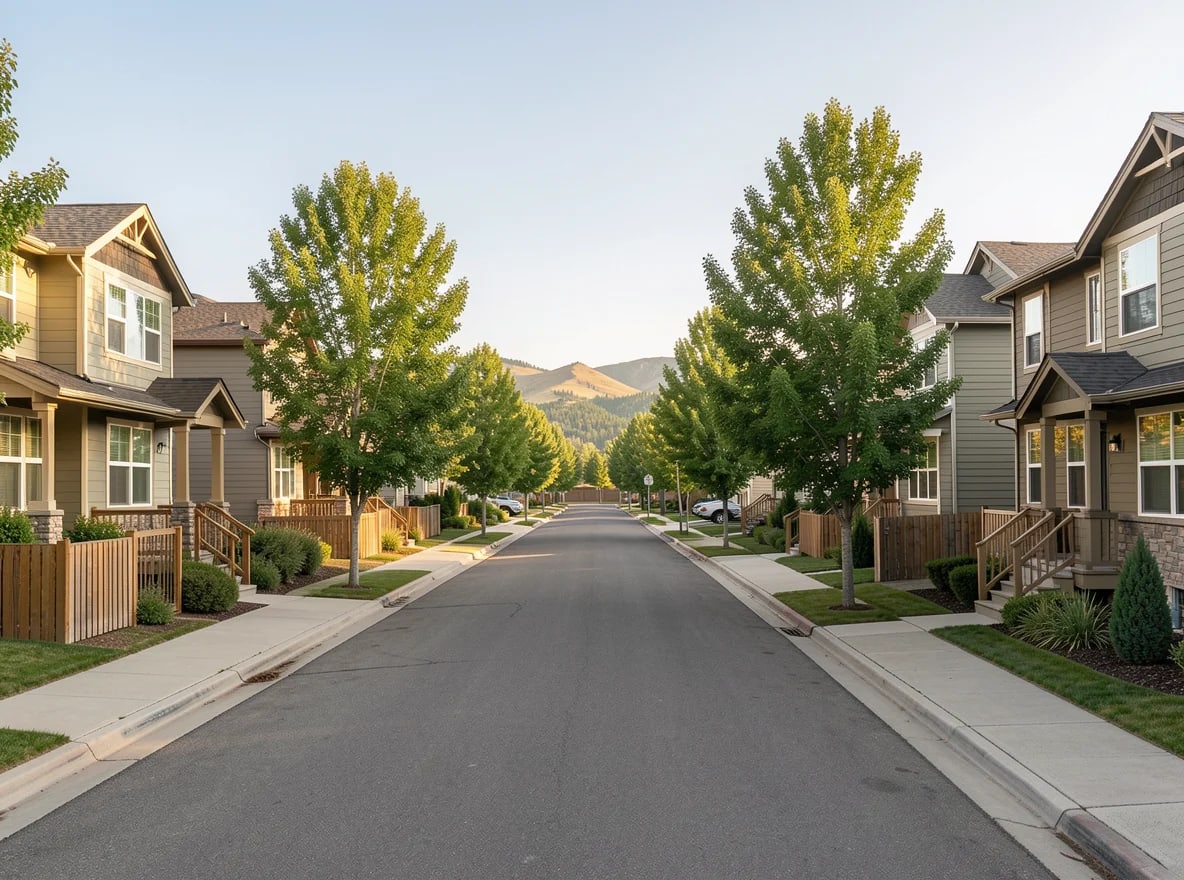
Denver and Morrison offer distinctly different ways to organize an ordinary Tuesday: one puts daily errands, cultural options, and urban connections close at hand, while the other brings foothill scenery and trail access into the foreground. The right choice is less about declaring one “better” and more about matching a home search to the routines, travel patterns, property features, and setting that matter most to you.
Start With the Shape of an Ordinary Day
Comparing Denver with Morrison is really a comparison of rhythms. Denver covers a large, varied city with established neighborhoods, newer infill, condominium buildings, historic homes, employment centers, transit options, and an active calendar of arts, sports, and public events. Morrison is a smaller foothill community southwest of the city, known for its close relationship to red-rock landscapes, mountain roads, outdoor recreation, and a more compact local core. Both can offer a strong Colorado home base, but the texture of daily life can feel very different.

In Denver, many buyers begin by thinking in terms of proximity: how close they want to be to work, transit, groceries, parks, a favorite activity, or a particular part of the city. The answer can vary block by block. A central neighborhood may make it easier to combine several stops into one outing, while a home farther from the core may offer a different lot size, garage setup, or housing style. The city’s breadth is part of its appeal, but it also makes a focused search strategy important.
Morrison changes the starting question. Rather than asking what is within a few city blocks, buyers often weigh the feel of the foothills, elevation, road conditions, access to trail systems, outdoor views, and the amount of maintenance they want to take on. Homes can range from properties near the community center to foothill residences with more land, varied terrain, and features that deserve careful review, such as drainage, roof condition, access roads, wells, septic systems, or wildfire-mitigation planning.
A useful comparison is to map your recurring trips for one full week—not just a single commute. Add errands, recreation, appointments, airport trips, and evening plans to see which location makes your actual routine feel more workable.
Neither setting is one-size-fits-all. Some people want the flexibility of city access most days and foothill outings on weekends. Others place a higher value on waking up near open space and accept a longer drive for certain errands or destinations. The best fit usually becomes clearer once lifestyle preferences are translated into specific property and location priorities.
Housing Choices: Variety in the City, Terrain in the Foothills
Denver’s housing inventory can include condos, townhomes, duplexes, renovated bungalows, newer construction, and larger detached homes, depending on the neighborhood and price range. That variety can give buyers multiple paths toward their goals. A condominium may reduce exterior upkeep; a townhome may provide more separation between living spaces; a detached home may offer different storage, parking, or outdoor-area options. It is worth looking beyond bedroom count and asking how the floor plan supports work, hobbies, guests, and daily circulation.
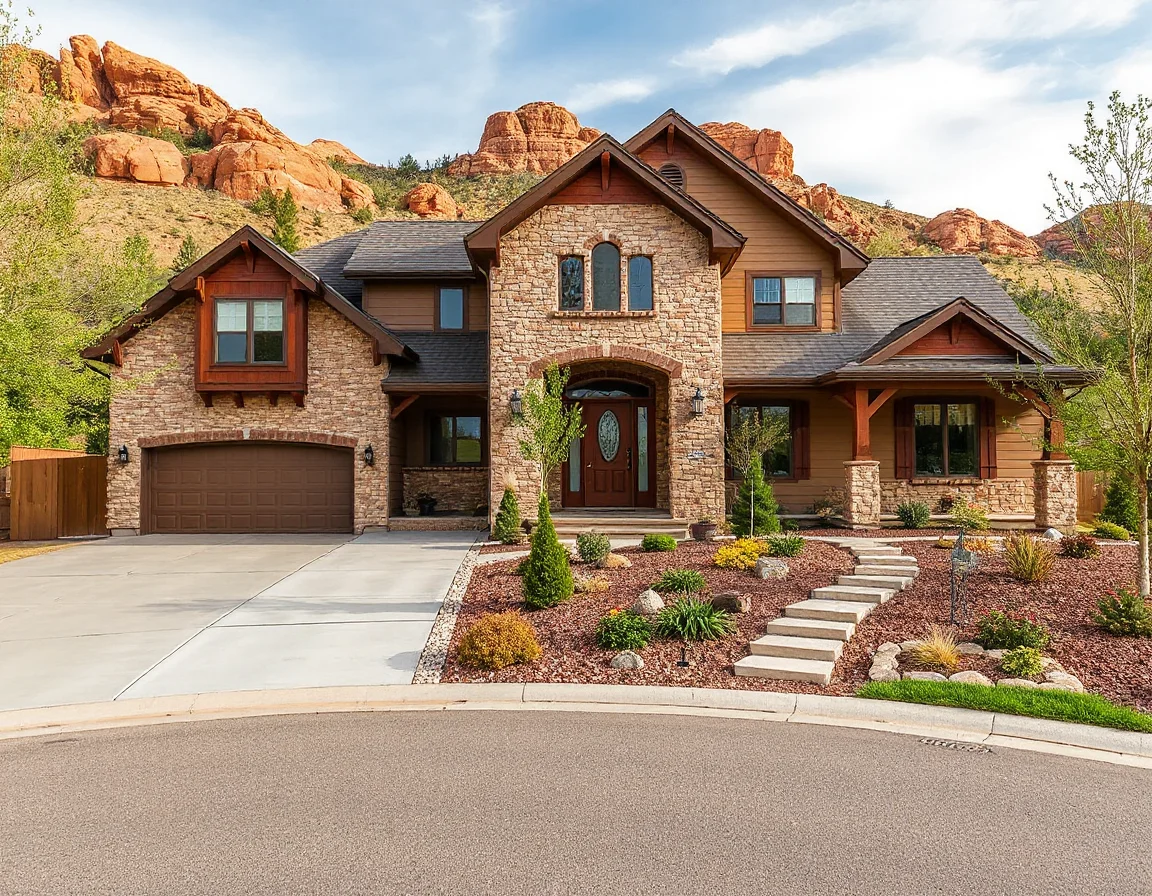
Morrison-area homes often invite a more detailed conversation about the site itself. A remarkable view, sloped lot, mature trees, outdoor living area, or detached workspace can be a major part of the value proposition. At the same time, foothill properties can have practical considerations that are less prominent in many urban searches. Buyers may want to review driveway grade, snow removal needs, insurance availability and cost, defensible space, utility services, internet options, and the condition of retaining walls or decks.
That does not mean a city home is automatically simpler or a foothill home automatically more complex. Every property has its own inspection priorities. In Denver, age, renovation quality, sewer lines, roofing, electrical updates, and local zoning considerations may be central. In the foothills, the physical setting tends to add another layer of due diligence. Christine Miller’s experience as a Certified Mountain Area Specialist can be especially useful when a search moves from familiar city housing into Colorado’s more terrain-driven markets.
For sellers, the contrast matters too. A Denver listing may benefit from clearly presenting layout efficiency, parking, recent improvements, and access to everyday destinations. A Morrison-area listing may need equally clear information about land, access, outdoor systems, maintenance history, and the way the home relates to its setting. Strong pricing is not simply a matter of comparing square footage; it is about identifying the features buyers can verify and value.
Access, Recreation, and the Time You Want to Spend Outside
Denver offers a broad menu of public parks, bike routes, cultural venues, dining areas, and professional events. The key is that these options are integrated into an urban environment. An afternoon might include a neighborhood walk, a visit to a museum district, a game, or a meal in a nearby commercial area without requiring a mountain drive. Traffic patterns, parking, and transit schedules still shape the experience, so a practical home search should test routes at the times you expect to use them.
Near Morrison, outdoor access is often part of the everyday landscape rather than a destination saved for a special outing. Red Rocks Park and Amphitheatre, nearby trail networks, and foothill drives provide recognizable landmarks and recreational opportunities. Conditions can change quickly with weather, season, and event schedules, however. The same road that feels effortless on a clear weekday morning may feel very different during snow, rain, peak visitor periods, or a major concert evening.
It is also helpful to distinguish between scenic appeal and operational convenience. A mountain-facing deck can be deeply rewarding, but it will not answer whether a home’s route, parking, storage, heating system, or maintenance demands suit your preferences. In the city, being close to destinations may be valuable, but buyers should also consider noise patterns, HOA rules where applicable, building maintenance, and the tradeoffs that come with density. Thoughtful decisions happen when the appealing features and the everyday logistics receive equal attention.
When touring foothill homes, visit at more than one time of day if possible. Light, road activity, wind exposure, and travel time can all change the way a property feels.
Make the Decision With Real Priorities, Not a Shortcut
A practical way to choose between these locations is to build two short lists: non-negotiables and preferences. Non-negotiables might include a maximum travel time, an accessible layout, a particular parking need, a dedicated office, manageable maintenance, or proximity to a recurring destination. Preferences might include views, a walkable block, architectural style, a larger lot, a neighborhood park, or quick trail access. This keeps the search grounded when a beautiful home or striking view makes it tempting to overlook a daily friction point.
Denver may fit buyers who want broad housing variety and frequent access to city amenities. Morrison may fit buyers who want foothill surroundings and a home search shaped by landscape, recreation, and mountain-area property details. Plenty of people consider both, especially when they want options across the Denver metro area and Colorado foothills. The most productive next step is to tour with a clear picture of your schedule, your maintenance comfort level, and the qualities that will still matter after move-in day.
With 35 years immersed in Colorado’s foothills and 11 years helping Denver-area and foothill clients, Christine Miller can help turn that comparison into a focused strategy. A well-matched home is not defined by a label—it is the place that supports the way you want to live, travel, recharge, and make use of the Colorado setting around you.