
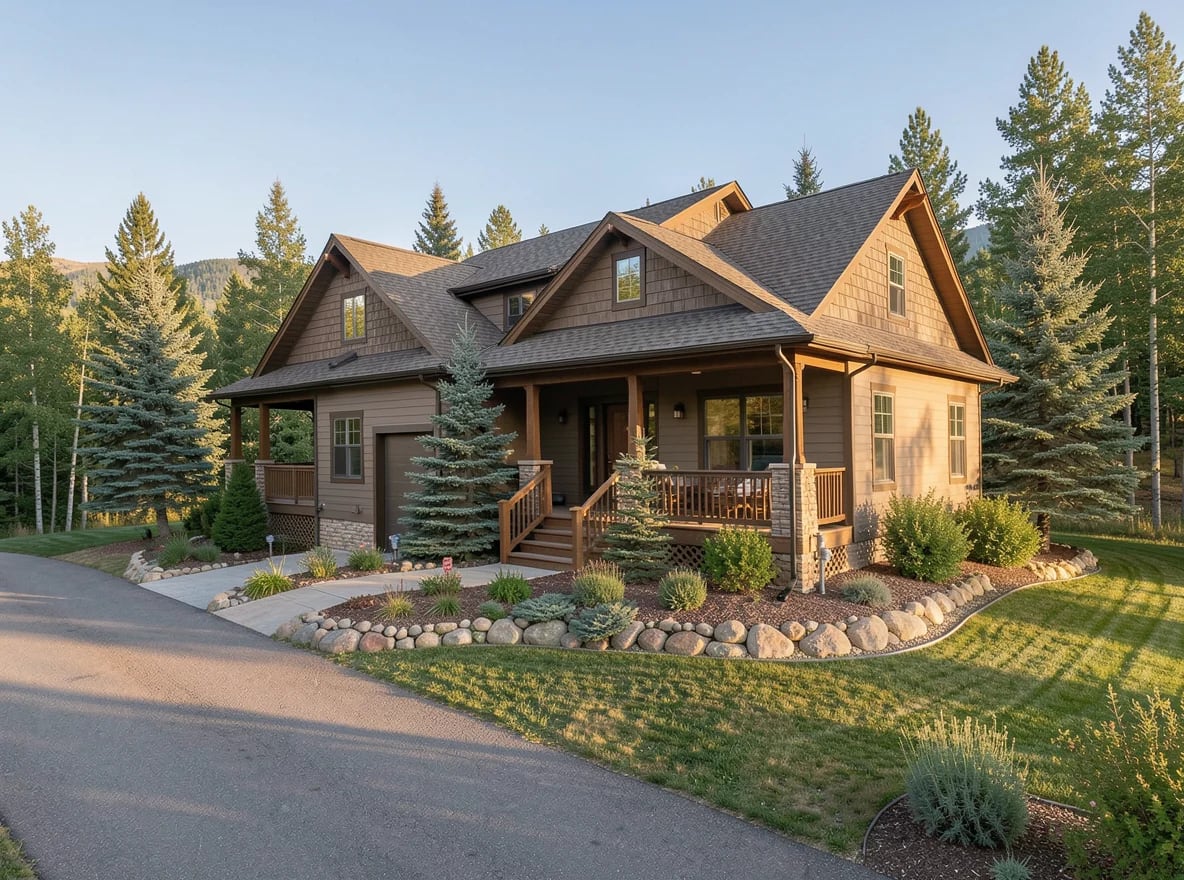
Buying in Evergreen means evaluating more than bedrooms, finishes, and the view. Access, water, insurance, site conditions, and year-round maintenance can influence both your daily ownership experience and your long-term budget. These seven checks help you ask focused questions before you write an offer on a Colorado foothills property.
Start With the Road, Not the Front Door
Evergreen properties can range from homes near established paved roads to residences reached by narrow, winding, or privately maintained routes. Before falling in love with a kitchen or a mountain view, drive the full route in daylight and pay attention to the grade, turns, drainage, road surface, and available turnaround space. A route that feels simple on a dry afternoon may deserve a closer look during snow, ice, heavy rain, or after dark.
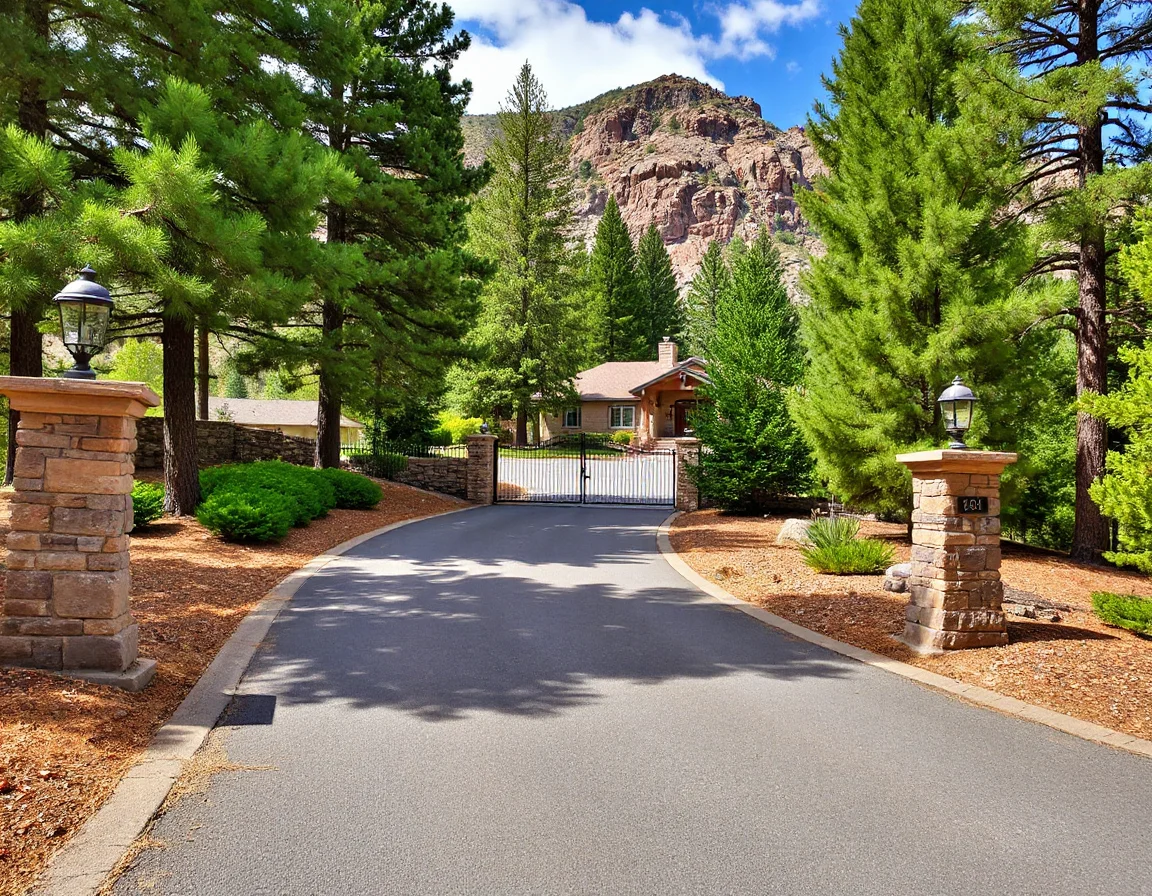
Check #1: Clarify road responsibility. Ask whether the road is publicly maintained, part of a road agreement, or maintained by individual owners. If there is an HOA or road association, review its documents, current dues, reserve planning, and any history of special assessments. For a private driveway, understand who plows snow, who handles repairs, and how costs are shared.
Check #2: Consider emergency and delivery access. Verify that the driveway configuration works for the vehicles that may need to use it, including moving trucks, service providers, propane deliveries, and emergency responders. This is also a good time to inspect the driveway for culverts, washouts, retaining walls, and overhanging branches that could need regular attention.
A mountain home’s access route is part of the property. Reviewing it in changing weather conditions can reveal maintenance needs that are easy to miss during a single showing.
Understand the Water Source and Wastewater System
Water and wastewater are among the most important due-diligence items for a foothills purchase. Some Evergreen-area homes are served by public utilities, while others rely on private wells, cisterns, septic systems, or other property-specific arrangements. The listing details are a useful starting point, but documents, inspections, and local records provide a more complete picture.
Check #3: Review water information carefully. For a well, ask for the well permit, recent water-quality testing, production information when available, and any records of repairs or equipment replacement. It can also help to understand the system’s components, such as the pump, pressure tank, filtration equipment, storage tanks, and winterization needs. If a home has a community water arrangement, review the operating structure and recurring costs.
Check #4: Inspect the septic system and its records. A qualified inspection can identify visible concerns and help confirm the system’s general condition. Request available permits, service records, tank-pumping history, and information about the leach field. Landscaping, parking areas, and future improvement plans should all account for the system’s location and required access.
These are not details to leave until after closing. A clear understanding of the property’s essential systems helps buyers budget for ownership with fewer surprises and gives them a better basis for inspection negotiations.
Read the Land as Closely as the House
Foothills lots have character: granite outcroppings, mature conifers, slopes, varied sun exposure, seasonal drainage, and open views can all shape how a property feels. They can also affect maintenance, improvement options, insurance questions, and the way water moves through the site. Take time to walk the lot with care rather than evaluating it solely from a deck or living-room window.
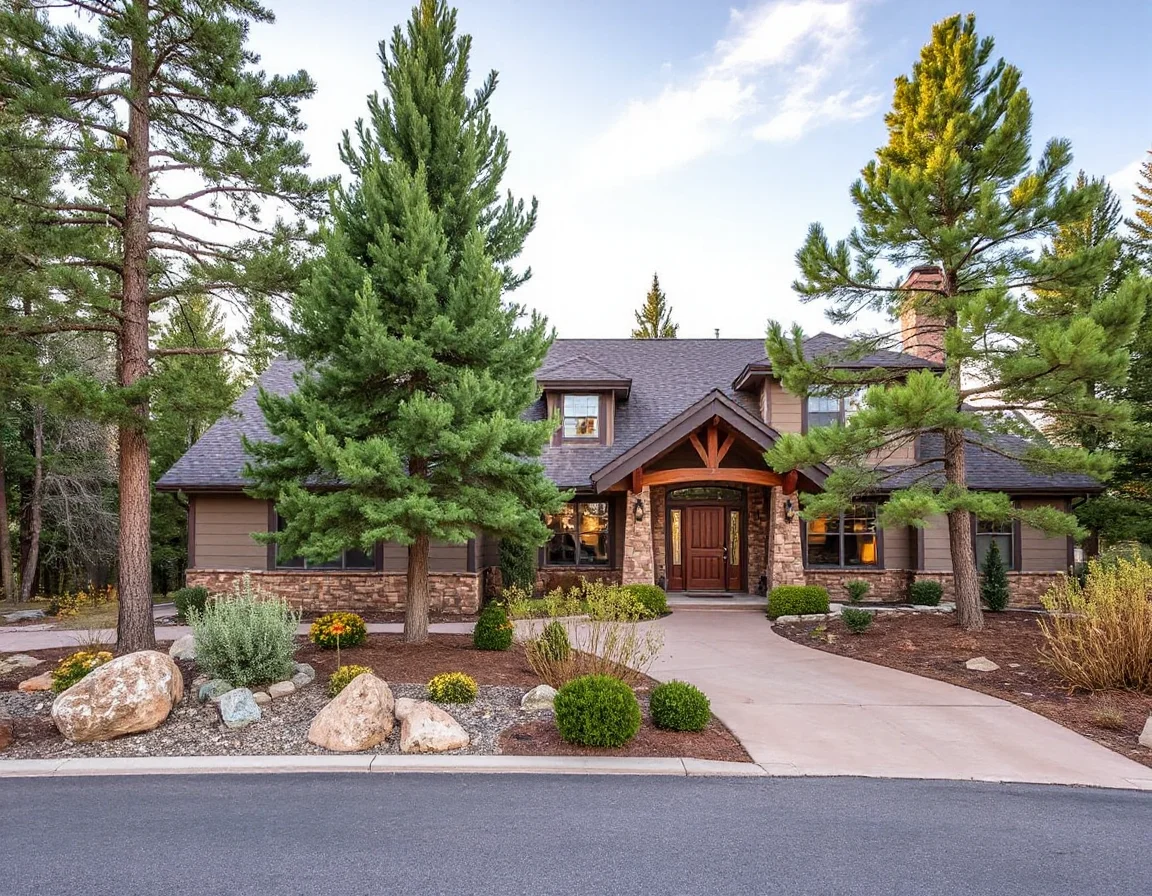
Check #5: Look at slope, drainage, and defensible-space maintenance. Note where water appears to collect, whether gutters and downspouts direct runoff away from the foundation, and whether the property shows signs of erosion. Ask about tree care, vegetation management, and any recent mitigation work around the home. Local requirements, insurance guidance, and individual site conditions can all affect the work a property needs over time.
Pay attention to sun exposure as well. A sunny driveway may shed snow differently than a shaded one, while roof orientation and tree cover can influence seasonal ice, heating patterns, and the amount of outdoor maintenance needed. A knowledgeable inspector can help distinguish normal mountain conditions from items requiring repairs or further evaluation.
Check #6: Confirm boundaries, easements, and improvement possibilities. A survey, title review, and county records can help identify utility easements, access rights, shared-driveway arrangements, and setbacks. If you hope to add a garage, workshop, deck, fence, or other feature later, verify what is feasible before treating the project as a certainty. Mountain parcels often have terrain and regulatory considerations that do not appear in a standard floor plan.
Budget for Utilities, Connectivity, and Seasonal Ownership
A thoughtful budget for an Evergreen home should include more than the purchase price and monthly loan payment. Heating fuel, electricity, internet availability, snow removal, tree work, exterior maintenance, insurance, and reserve funds may vary widely from one property to another. Request recent utility information where available, then use it as a conversation starter rather than a guarantee of future costs.
Check #7: Verify the services you rely on. Ask about internet providers and typical service options at the exact address, especially if remote work, streaming, or connected-home equipment matters to you. Confirm the home’s heating source, fireplace or stove maintenance requirements, backup-power setup if present, and propane-tank ownership or lease status. Also ask whether cellular service is reliable inside the home and at the driveway entrance.
The most useful mountain-property budget includes a maintenance reserve for the site itself: trees, drainage, snow equipment, roof care, and systems that serve one home rather than an entire block.
Insurance deserves an early conversation, too. Obtain property-specific quotes rather than relying on broad estimates, and ask insurers what documentation they need regarding roof age, wildfire mitigation, access, prior claims, and utility systems. Availability and pricing can change, so this step is most valuable before deadlines make decisions feel rushed.
Use the Inspection Window Strategically
Mountain homes reward thorough due diligence. In addition to a general inspection, a purchase may call for specialists who can evaluate wells, septic systems, roofs, chimneys, structural components, radon, electrical systems, drainage, or other features identified during the process. The right scope depends on the home, its age, the lot, and the findings already in hand.
Bring questions into each showing and keep a running list: Who maintains the road? Where is the septic field? When was the roof replaced? How is snow handled? What does the seller know about water quality, tree care, or drainage? Specific questions produce better records and more useful answers than general impressions.
With 35 years immersed in Colorado’s foothills and specialized mountain-area training, Christine Miller helps buyers look beyond surface appeal and focus on the property details that matter. A careful approach does not take away from the excitement of finding an Evergreen home; it helps ensure that the setting, systems, and responsibilities align with your plans from day one.