
An estate sale in the Colorado foothills involves more than preparing a property for the market. A clear sequence—starting with authority, records, and the home’s condition—can reduce avoidable decisions and help create a thoughtful path toward a successful sale. This eight-step plan offers a practical framework for moving forward at a manageable pace.
Begin with a Clear, Unhurried Framework
Managing a property after a major life change can feel like a long list of urgent tasks arriving all at once. In the foothills, that list may also include private roads, mountain weather, wells, septic systems, wildfire-mitigation questions, and a home that has been cared for over many years. The goal is not to rush through every detail; it is to identify the decisions that affect value, timing, and a smooth closing.

Every estate situation has its own legal, financial, and personal considerations, so it is useful to create a plan before making major changes to the property. A local real estate professional can coordinate the market-facing work while legal and tax professionals advise on matters within their respective fields. Keeping those roles distinct makes it easier to move confidently through the process.
Step 1: Confirm Who Can Make Decisions
Before listing a home, confirm who has authority to sign documents and direct the sale. That may be a personal representative, trustee, surviving owner, or another authorized party. Gather the relevant documentation early, including the deed, trust or probate paperwork, death certificates if applicable, and contact information for everyone involved in the decision-making process.
It is also helpful to establish one reliable communication method. A shared email thread, a recurring check-in call, or a simple decision log can prevent confusion when several people need updates. Clear communication is often one of the most valuable forms of preparation.
Step 2: Secure the Property and Preserve Records
Start with the basics: verify insurance coverage, secure keys and access codes, forward mail when appropriate, and check that utilities remain on. In foothills homes, maintaining heat, monitoring water systems, and arranging snow removal can protect the property during the transition. Photograph rooms, major systems, valuables, and any existing damage before sorting or moving items.
Collect records that may help future buyers understand the home: permits, receipts for improvements, well and septic documents, roof information, heating-system service records, surveys, HOA details, and wildfire-mitigation work. Missing paperwork does not prevent a sale, but organized information can make disclosures and buyer questions easier to handle.
For mountain and foothills properties, a short seasonal maintenance plan can protect value while the home is being prepared—especially for heating, snow access, drainage, and exterior inspections.
Step 3: Sort Belongings Before Making Big Decisions
Personal belongings are often the most time-consuming part of an estate sale. Begin by separating documents, photos, sentimental items, medications, financial records, and valuables from general household contents. If uncertainty exists around an item, pause rather than discard it. A deliberate sorting process is usually less stressful than trying to clear an entire home in one weekend.
Once important items are set aside, decide whether belongings will be retained, donated, sold, recycled, or removed. Estate-sale professionals, appraisers, organizers, and clean-out providers can be useful resources depending on the property and timeline. The purpose is to create an orderly, presentable home—not necessarily to make every room look brand new.
Prepare the Home for Today’s Buyers
Foothills buyers often pay close attention to maintenance, access, outdoor living areas, storage, and the relationship between the home and its setting. Preparation should focus first on safety, function, and visible condition. A careful walk-through helps identify what needs immediate attention and what can simply be documented for prospective buyers.
Step 4: Complete a Practical Condition Review
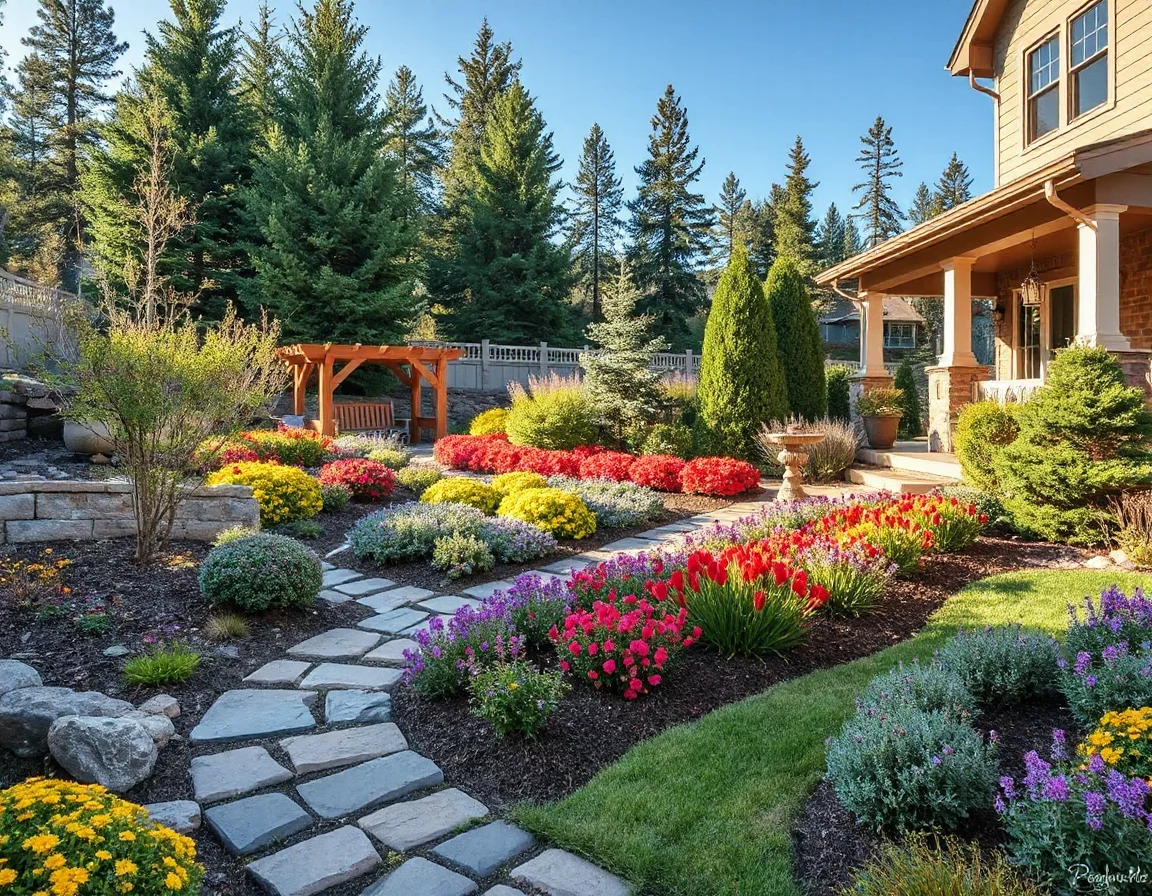
Walk through the property with a focus on deferred maintenance, not perfection. Look at railings, walkways, smoke and carbon monoxide detectors, roofing, gutters, plumbing leaks, windows, decks, exterior paint, and vegetation near the home. In mountain areas, access and drainage can matter just as much as cosmetic updates.
Choose repairs strategically. Addressing a loose handrail or a leaking fixture may be more valuable than undertaking a full renovation without a market-based reason. A knowledgeable local agent can help compare likely buyer expectations, the cost of work, and the possible return before money is spent.
Step 5: Price with Current Local Evidence
An estate property should be priced from current comparable sales, active competition, condition, location, land features, and market momentum—not from an old appraisal or a neighboring home’s asking price. Homes in Evergreen, Morrison, Pine, Conifer, Larkspur, and nearby areas can vary substantially based on road access, acreage, views, water and septic systems, updates, and proximity to daily services.
Christine Miller brings the perspective of a Certified Mountain Area Specialist, Pricing Strategy Analyst, and Real Estate Negotiation Expert to this stage. With decades immersed in the Colorado foothills and years helping Denver-area and foothills clients, she can help translate local market data into a pricing strategy that reflects the property’s actual position in the market.
The best listing price is not simply the highest number discussed at the kitchen table. It is the number supported by recent evidence, property condition, and the level of competition buyers can see today.
Step 6: Create a Focused Presentation Plan
Once the home is cleared and the pricing approach is in place, concentrate on presentation. Deep cleaning, simple staging, fresh lightbulbs, decluttered surfaces, and professional photography can make a meaningful difference. For homes with distinctive outdoor features, photographs should also show usable spaces such as decks, patios, gardens, driveways, garages, and views without overstating what the property offers.
Marketing should tell an accurate story about the home’s condition, systems, setting, and improvements. Transparency helps attract serious interest and can reduce surprises later during inspections and negotiations.
Move from Listing to Closing with Fewer Surprises
Step 7: Review Offers Beyond the Price
When offers arrive, the purchase price is only one part of the decision. Review financing strength, earnest money, requested concessions, inspection terms, appraisal conditions, closing date, possession needs, and contingencies. For an estate transaction, timing and certainty can be especially important when multiple parties are coordinating schedules or when legal milestones affect the sale.
A strong negotiation process compares the whole offer package and clarifies the likely next steps. It is reasonable to ask questions, request documentation when appropriate, and consider counteroffers that align with the estate’s goals. A calm, well-documented response often leads to a more manageable transaction.
Step 8: Keep Closing Tasks Organized
After going under contract, create a closing checklist with deadlines for inspections, repair decisions, title matters, appraisal, utility transfers, final clean-out, and document signing. Continue maintaining the property through closing, particularly if weather changes or the home is vacant. Keep receipts and notes for any agreed repairs or services.
Before handing over possession, confirm that personal property has been removed according to the contract, keys and access items are accounted for, and final documents have been reviewed with the appropriate professionals. A simple checklist helps everyone know what remains and what has already been completed.
Talk with Christine about a foothills property sale
A Steady Plan Creates Room to Focus
An estate sale is both a real estate transaction and a process of careful decision-making. Taking one step at a time can protect the property, support informed choices, and create a clearer path from preparation through closing. With local perspective, accurate pricing, and steady coordination, a foothills home can be presented thoughtfully while the people responsible for the sale retain control of the timeline and next steps.