
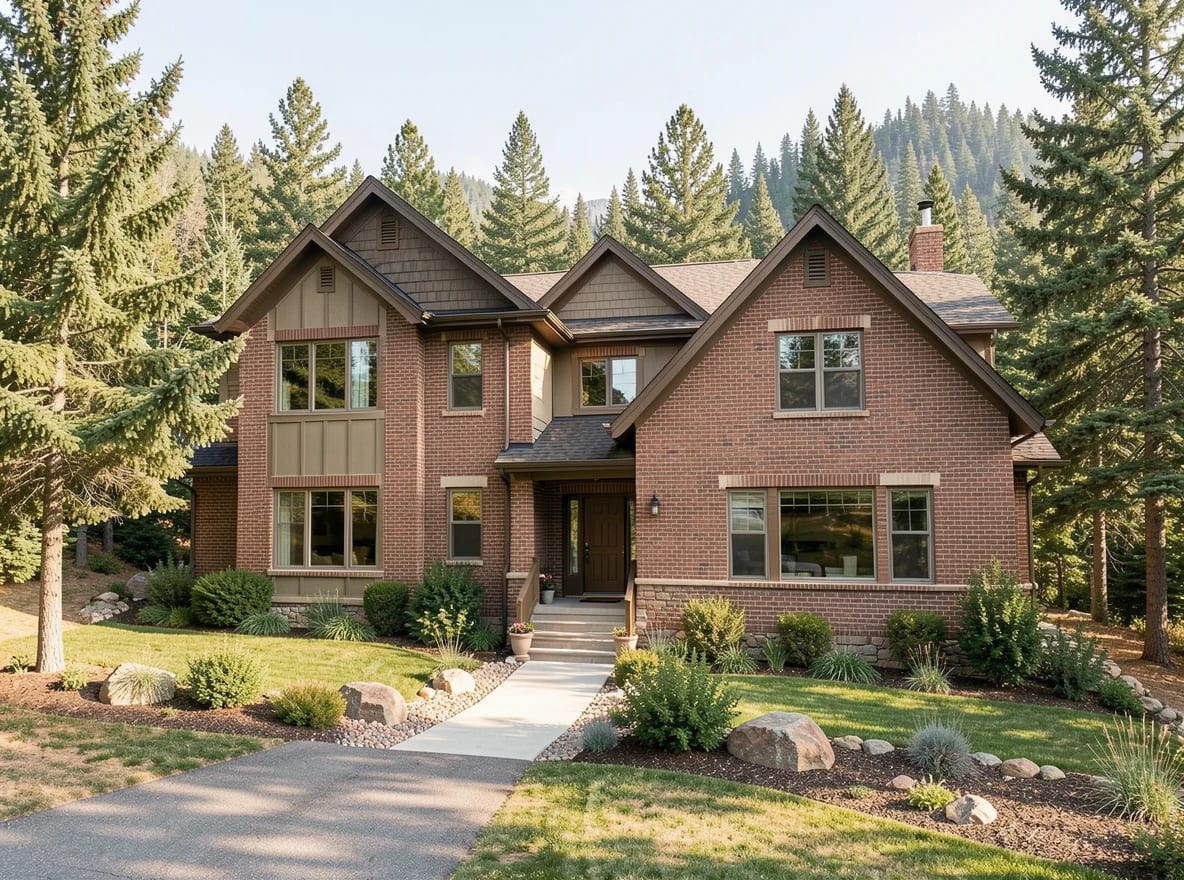
In Pine, a home’s value is rarely explained by square footage alone. Mountain views, year-round access, usable acreage, condition, and the practical details of foothills living can all shape buyer interest and pricing. Understanding how these pieces work together can help owners prepare thoughtfully and help buyers compare properties with clearer expectations.
Why Pine Homes Are Priced by More Than the Basics
Pine offers a distinct foothills setting where homes are evaluated through both conventional real estate metrics and mountain-area realities. Bedroom count, finished square footage, renovations, and recent comparable sales remain important, but they tell only part of the story. Two homes with similar interiors can attract very different levels of interest when one has a more usable driveway, a better view corridor, or easier access to daily routes.
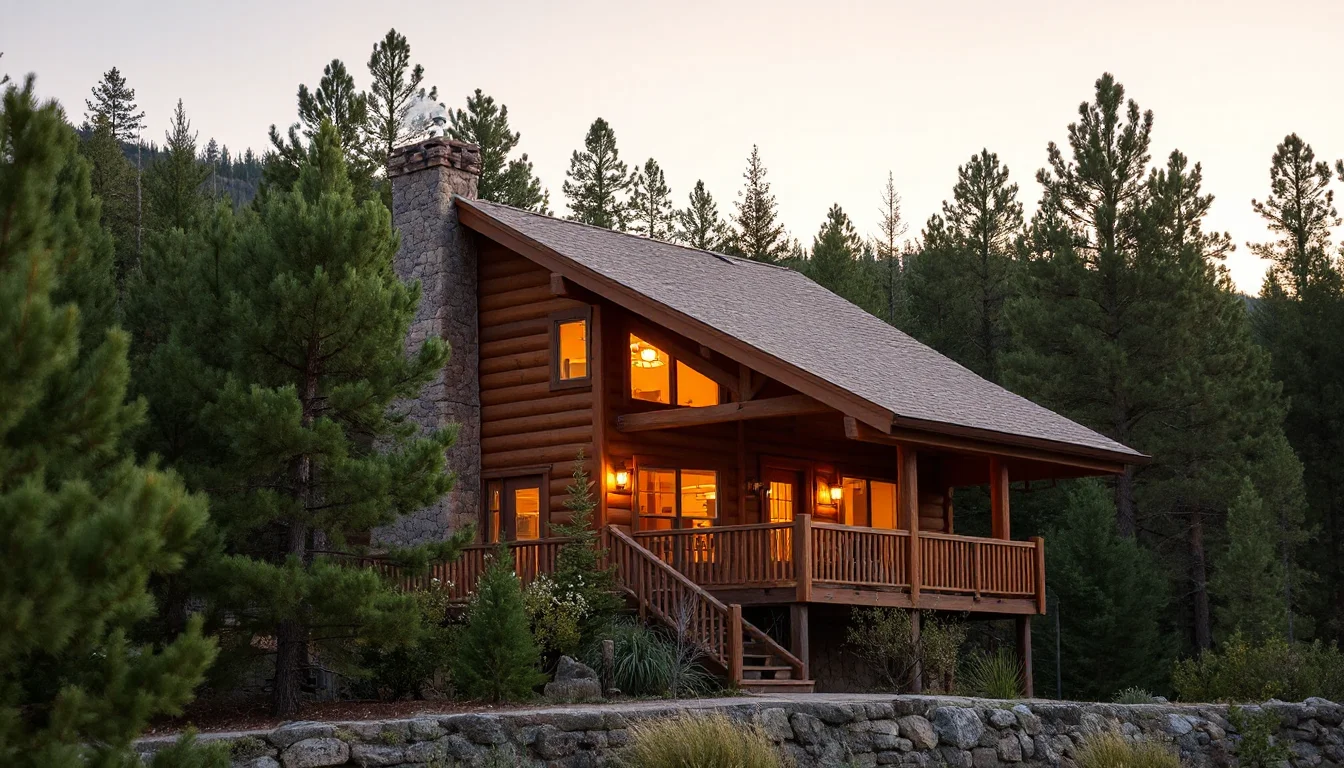
Location within the area matters at a granular level. A property’s relationship to Highway 285, county-maintained roads, nearby services, and recreational access can influence how a listing is received. Buyers often consider the entire arrival experience: the route from the main road, the grade and surface of the driveway, the amount of parking, and whether the property feels straightforward to reach in different weather conditions.
In a foothills market, value also reflects how a home functions across seasons. Sun exposure, snowmelt patterns, roof condition, drainage, and the orientation of outdoor spaces all become part of the larger picture. These are not simply maintenance details; they affect day-to-day use and can help distinguish a home during a competitive comparison process.
A memorable mountain view may create the first emotional connection, but consistent access, maintained systems, and clear property information are often what support buyer confidence through the offer process.
Because inventory can vary by season and price range, sellers benefit from looking beyond a single nearby sale. The most useful comparison set considers construction style, acreage, access, condition, and the features that are genuinely comparable. A well-priced Pine home should tell a complete story rather than rely on a single headline number.
Views: Emotional Appeal With Market Weight
Views are one of Pine’s most visible value drivers. A home may look toward forested hillsides, rock formations, open meadow, distant ridgelines, or a changing seasonal canopy. The strength of a view is not only about what is visible from the lot; it is also about how the home captures it. Windows, decks, patios, and primary living spaces that make the setting part of everyday life can have a meaningful impact on perceived value.
Not all views contribute equally. An unobstructed outlook from major living areas typically carries more influence than a limited view from one secondary room. Privacy, orientation, and the likelihood that the view will remain intact also matter. A scenic setting paired with nearby road noise, a steep unusable lot, or limited outdoor usability may be received differently than a home where the landscape and the living spaces work together.
Seasonality plays a role as well. Evergreen coverage can create a year-round visual backdrop, while deciduous trees and open terrain may offer changing light and broader long-range visibility at different times of year. High-quality listing photography should show the home honestly while highlighting the relationship between the property and its surroundings.
For homeowners preparing to sell, thoughtful trimming where permitted, deck maintenance, clean windows, and outdoor seating areas can help viewers understand the potential of a view without overpromising it. For buyers, visiting at different times of day can reveal sun exposure, privacy, road activity, and how usable an exterior area may feel beyond the first impression.
Access, Driveways, and Practical Mountain-Area Details
A beautiful setting is most valuable when it is paired with practical access. Pine properties can range from homes just minutes from major routes to residences reached by winding roads and private drives. Neither setting is automatically better; the key is understanding what each one requires and how it aligns with a property’s overall price, condition, and appeal.
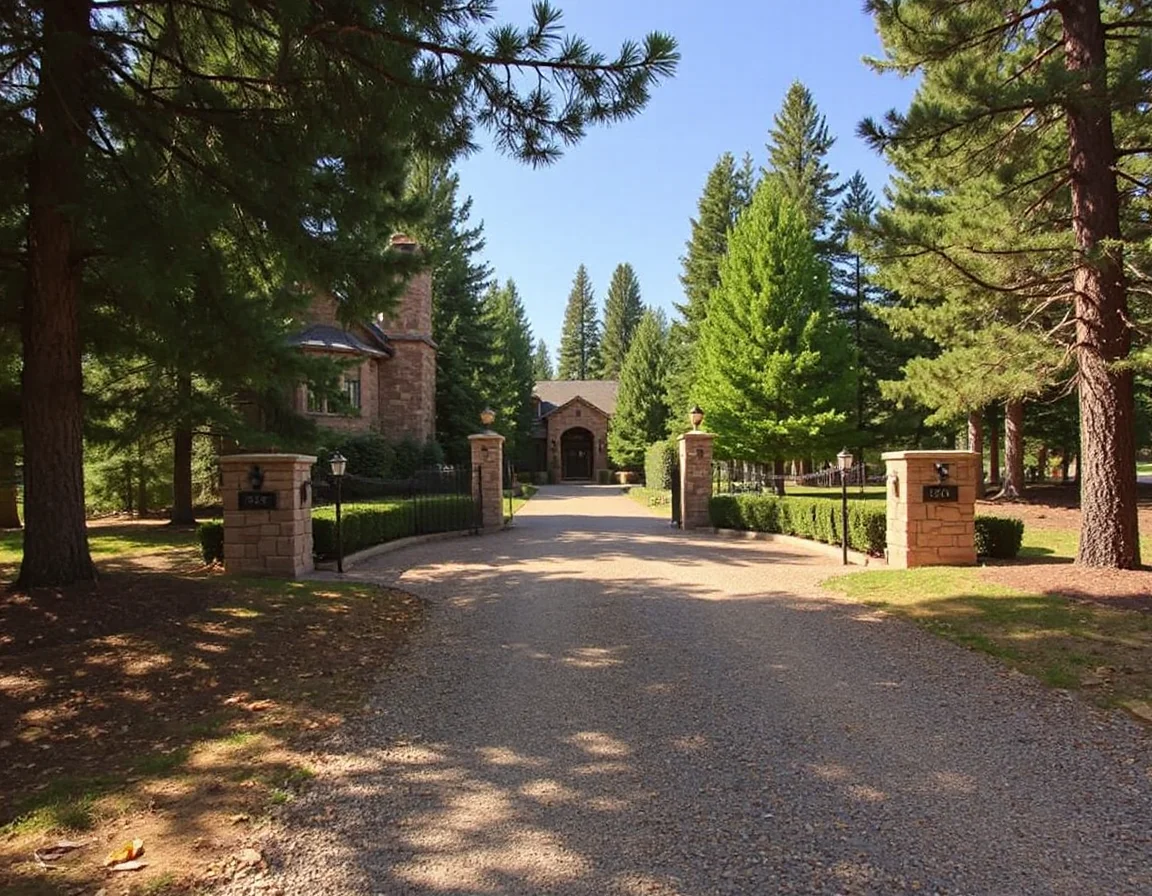
Driveway grade, turning radius, drainage, retaining structures, and snow removal needs are all worth evaluating. A paved drive may be a strong convenience feature, while a gravel drive in good condition can be entirely functional and appropriate for the setting. Clear documentation about road agreements, maintenance responsibilities, easements, and access routes can reduce uncertainty for prospective buyers.
Utilities also deserve careful attention. Water source, septic system capacity and documentation, heating type, internet availability, and backup power considerations can influence both comfort and long-term planning. These are especially important because mountain-area properties may not share the same infrastructure assumptions as more urban locations. A seller who has organized service records and inspection information gives buyers a clearer foundation for comparison.
Wildfire mitigation and defensible-space work may also be relevant to a home’s market presentation. Well-maintained vegetation, visible clearance around structures, accessible addresses, and current information about home systems can signal diligent ownership. These details should be presented accurately and paired with appropriate disclosures rather than used as broad assumptions about any particular property.
When comparing Pine homes, look past the listing photos and ask how the driveway, utilities, outdoor spaces, and maintenance records support the way the property operates throughout the year.
Acreage: Usability Often Matters More Than the Number
Acreage can be a powerful feature, but larger is not always synonymous with higher value. The most meaningful question is how the land can be used. A smaller parcel with level outdoor areas, attractive tree cover, privacy, and convenient access may draw stronger interest than a much larger tract with steep terrain or limited buildable space.
Topography, vegetation, drainage, and zoning should all be considered when assessing land value. Open ground may support gardens, recreation, outbuildings where allowed, or flexible outdoor living, while forested acreage can create privacy and a strong natural setting. Property boundaries, access points, easements, and any restrictions should be reviewed carefully rather than assumed from aerial imagery or lot size alone.
Buyers may also look at practical elements such as fencing, storage structures, detached garages, workshop capacity, and parking for vehicles or outdoor equipment. These features can add utility when they are maintained, permitted where required, and integrated thoughtfully with the home and land. The goal is to understand the property as a whole, not to assign value to acreage in isolation.
Condition, Presentation, and a Grounded Pricing Strategy
Condition has an outsized influence in Pine because deferred maintenance can be more noticeable in a mountain environment. Roof age, exterior materials, windows, heating systems, septic documentation, drainage, and fire-mitigation work often deserve attention before a home reaches the market. Addressing key repairs early can make a listing easier to evaluate and can prevent smaller concerns from overshadowing an otherwise appealing property.
Presentation should emphasize authentic strengths. If a home has a sunny deck, a well-designed kitchen, a productive workshop, a peaceful treed setting, or a view from the living room, those assets deserve strong photography and clear descriptions. At the same time, a pricing strategy should recognize limitations honestly, including unusual access, steep terrain, unfinished areas, or systems nearing replacement.
For sellers, the most productive preparation begins with an objective review of the home’s condition and its closest true competitors. For buyers, a careful comparison includes not only the purchase price, but also the likely stewardship of the property over time. With deep Colorado foothills experience, a market professional can help interpret the details that may not appear in a basic data sheet.
In Pine, value is built from a combination of setting and function: the view from the window, the way the driveway performs, the usefulness of the land, and the care invested in the home. When those elements are understood together, pricing and purchasing decisions become more informed, more practical, and better connected to what makes each foothills property distinct.